

Buyer Guides · Connected home
Free up counter space around your outlets
A toothbrush charger or small speaker can take up more room than it deserves. The Power Perch gives it a shelf beside the power it already uses.
Paid link
The counter is small. The toothbrush charger has claimed one corner, a speaker has claimed another, and their cords fill the gap. You don’t necessarily need a bigger organizer. Sometimes you just need somewhere else to put one thing.
The Power Perch is a small shelf that mounts behind an outlet’s cover plate. It puts a resting spot close to the socket, with an opening for a device’s cord. Your charger or speaker can move off the counter without needing a separate table.
A little shelf, a little more room
Give your counter some space.
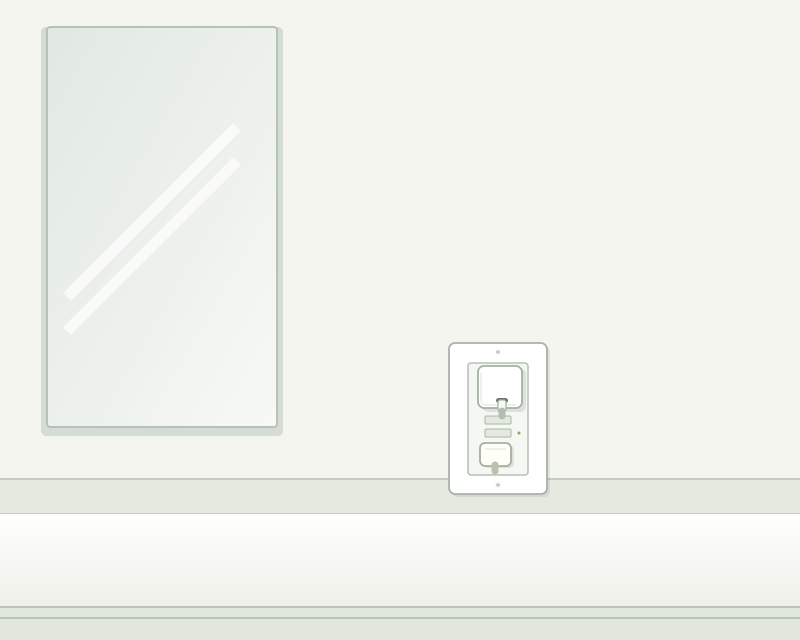
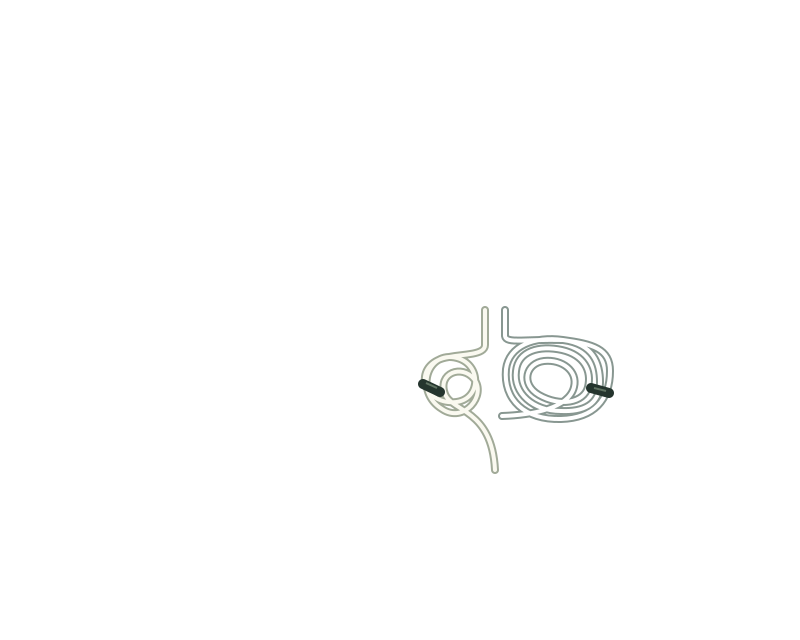
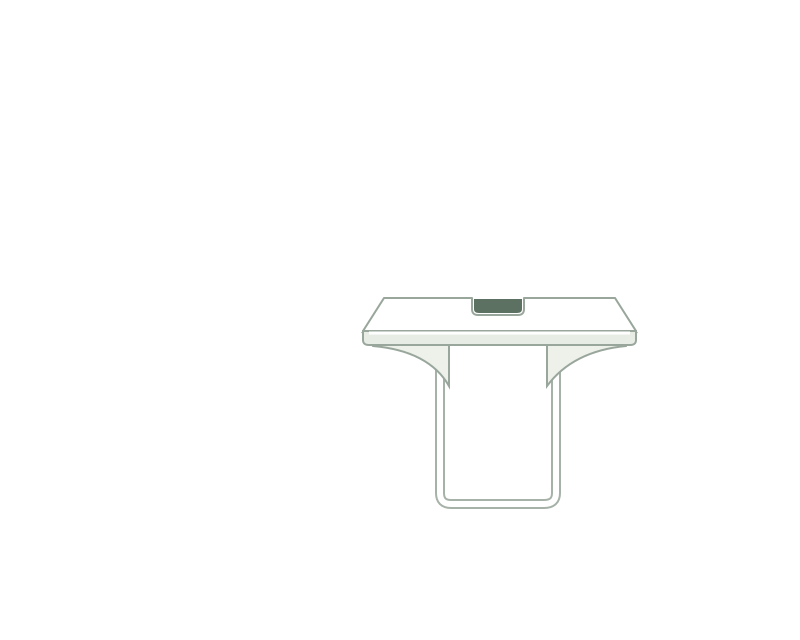
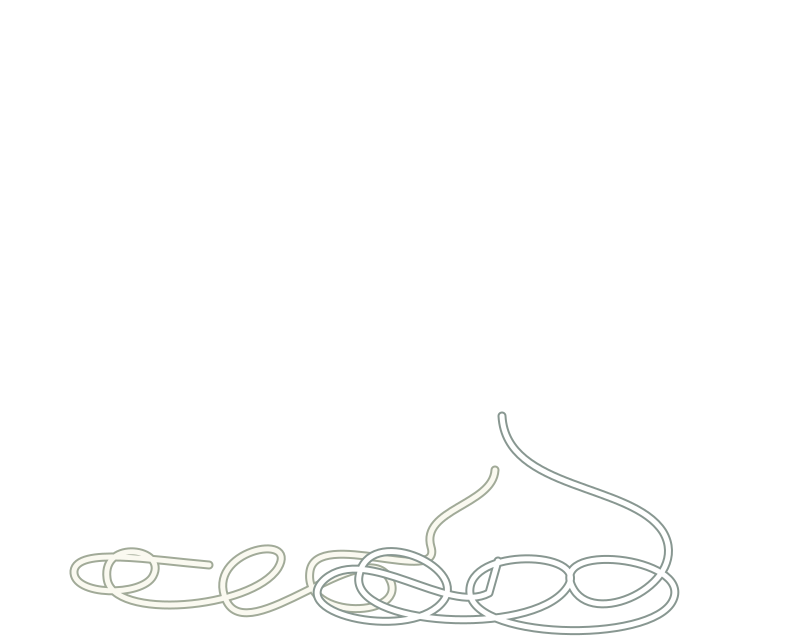

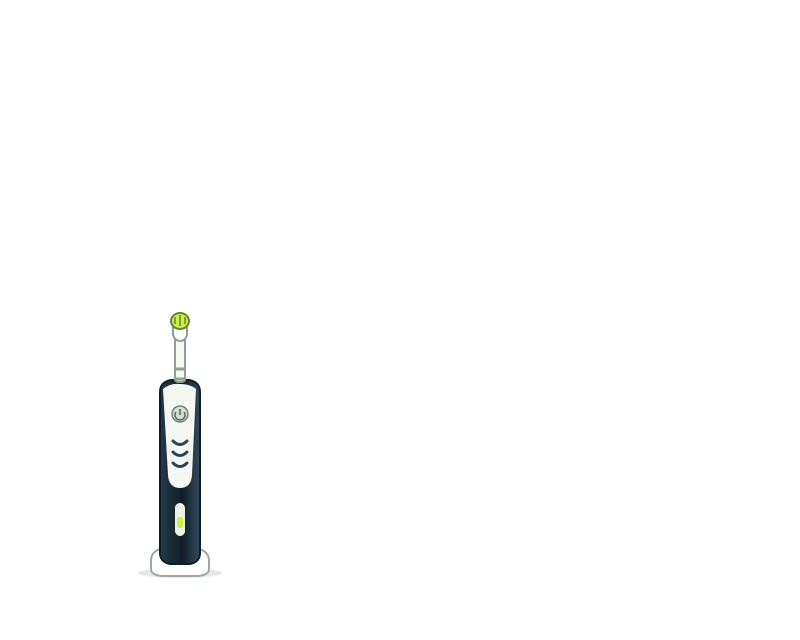
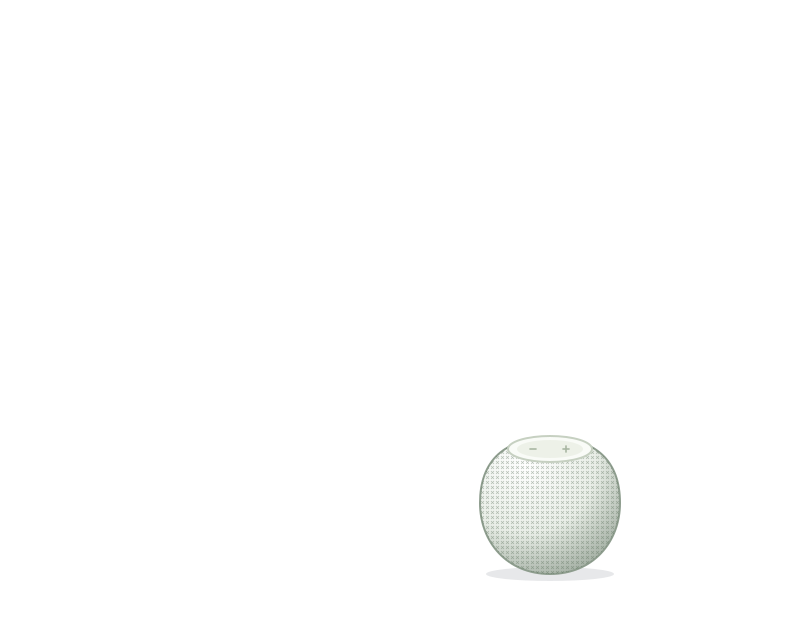
Both cables route through the opening at the back of the shelf, with excess cord gathered underneath. Illustration, not to scale; check that your devices fit securely within the shelf’s dimensions and load limit.
Where it makes sense
- A crowded bathroom counter. Consider it for a toothbrush charging base if the outlet is in a dry, suitable location. Keep the device and its cord away from water.
- A small kitchen. A compact speaker could move off the work surface, leaving more space for the things you actually need while cooking. Choose a spot away from heat and splashes.
- A tight bedside area. It could give a phone a place to rest while charging, provided the outlet is at a useful height and the phone sits securely.
Start with the outlet location. If it is hidden behind furniture or close to the floor, adding a shelf won’t make it a convenient place to reach every day. A shelf is most useful when the socket is already where you want the device.
Check the fit before buying
Storage Theory lists the single-outlet Power Perch with a 4-by-6-inch shelf and a maximum load of 10 pounds. Measure your device’s base as well as its weight. A light device can still be too wide or awkwardly balanced for a small shelf.
Match the selected version to your outlet and cover plate. Check the space above and below the socket, too: a cabinet, backsplash, or bulky plug could get in the way.
The manufacturer says the single-outlet version can be mounted with the shelf above or below the outlet. Choose the position with enough clearance for your device and its cord. Use the orientation allowed by the instructions supplied with your shelf.
Simple mounting, with a little care
The shelf uses the cover plate’s mounting screws rather than a separate set of holes in the wall. Installation involves removing the plate, positioning the shelf behind it, and refitting the plate. Turn off power to the outlet at the breaker and verify it is off before starting. Follow the supplied instructions, and don’t overtighten the screws.
If the outlet or plate is loose, damaged, or won’t fit properly, stop the installation. The shelf should be secure before you put anything on it.
Route the device’s cord through the opening and check that it reaches without pulling. Use your device’s own power supply; the shelf adds no charging or surge-protection features.
Our take: give small devices a better home
The Power Perch is worth considering when a small plugged-in device is taking up useful surface space. Pick the device, measure the spot, and check the plate fit before ordering.
If you need to store several things, or your outlet is in an inconvenient place, a larger organizer may suit you better. But for a toothbrush charger, a compact speaker, or a combination that fits, a little shelf can be enough.
Paid link
Based on manufacturer documentation and our editorial assessment, not a hands-on test. Specifications checked November 7, 2026. Confirm dimensions, mounting compatibility, and load limits for the version you select.
Sources
Storage Theory’s single-outlet Power Perch specifications and the published installation sheet informed this guide.